%E8%83%8C%E6%99%AF%E9%80%8F%E9%81%8E_03.png)

ORIN
A Clear Resonance, Gently Wavering
A resonant tone that carries, a balanced spectrum of highs and lows, and an afterglow that slowly fades into stillness. This orin is cast with one focus in mind: the beauty of a wavering sound. From the single, clear strike at the moment it is played, the tone gathers a wave-like hum, layer by layer, and gradually dissolves into silence. That crystalline sway spreads gently through the air, leaving behind a spacious, quiet margin.

Design
We designed the sound. The color exists for its afterglow
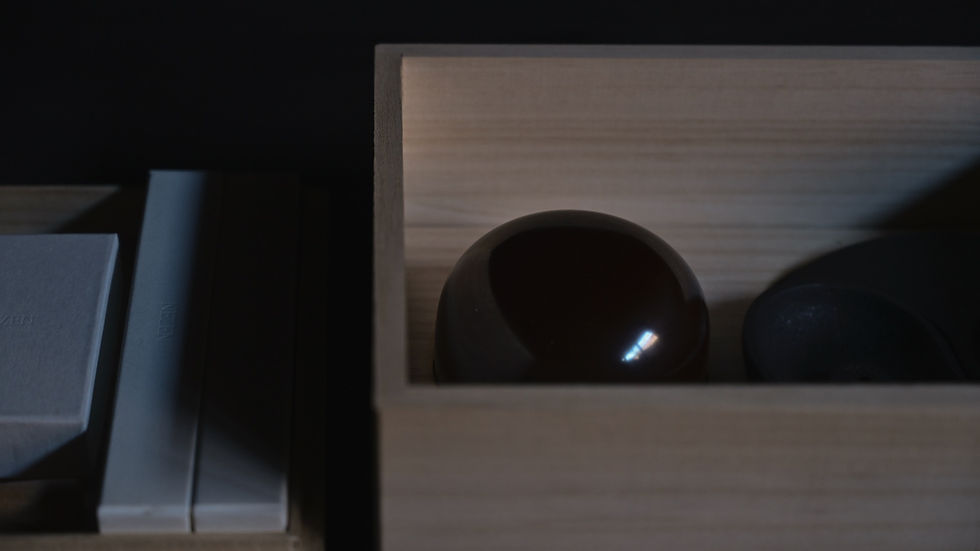
Every element that shapes the tone has been refined— a stripped-down form created to draw out the wavering sound to its fullest. Cast in a copper alloy blended with zinc and tin, its composition, profile, and thickness were carefully tuned. Ornament is removed so the outline of the sound can stand in calm clarity. The finish is a traditional coloring method that refines the metal’s surface expression. Kariyasu—a Miscanthus grass long used as a yellow dye—is simmered into a decoction, and the copper is gently boiled to prepare the base tone. Next comes ohaguro: an iron solution made by aging iron filings in sake or vinegar for
months. It is worked into the heated surface with a brush bound with straw cores,burnished and dyed in as it is applied. Finally, thin layers of urushi lacquer are built up, and a quiet, deep-toned surface presence emerges.
Story
Refining sound in a casting town for over 400 years
Takaoka, Toyama Prefecture— a place where the craft of bronze casting has been passed down for more than four centuries, since metalworkers were invited here under the Kaga Domain’s industrial policies in the early Edo period. From casting to finishing to coloring, a single tone takes form through a tradition of specialized hands—each step entrusted to dedicated artisans.
The natural pigments used for coloring are closely held traditions in each workshop: the blend of ingredients, the length of aging, the timing—passed down across generations. Reading subtle shifts in the metal’s reactions—changes shaped by weather and season— they draw out the best possible hue through years of experience. In pursuit of a sound that is “as good as it can be,” each piece is refined with unwavering care, one by one.

Culture
A sound that marks a threshold, and attunes the air
Listening to insects, sensing leaves brushing together— Japan has long cherished the sounds that nature plays. And beyond simply hearing sound, there is an aesthetic of savoring its afterglow— and honoring the spacious ma that remains once the sound is gone. In places of zazen and sutra chanting, the orin has been used as a signal—marking beginnings and endings.
Over time it became a tool rooted in daily life, expressing prayer, gratitude, and quiet transitions. A clear tone places a gentle boundary in the air and softly shifts our awareness. The orin is a symbol of this culture of “sound as a threshold.” And in the way its tone melts into silence, that sensibility lives on. Not only the act of sounding it— but what remains afterward: the lingering resonance. As the wavering slowly loosens, a quiet margin opens—unhurried, spacious, calm.
Sustainability
Traditional craft, woven from grass and iron
The materials used to color an orin come from nature.
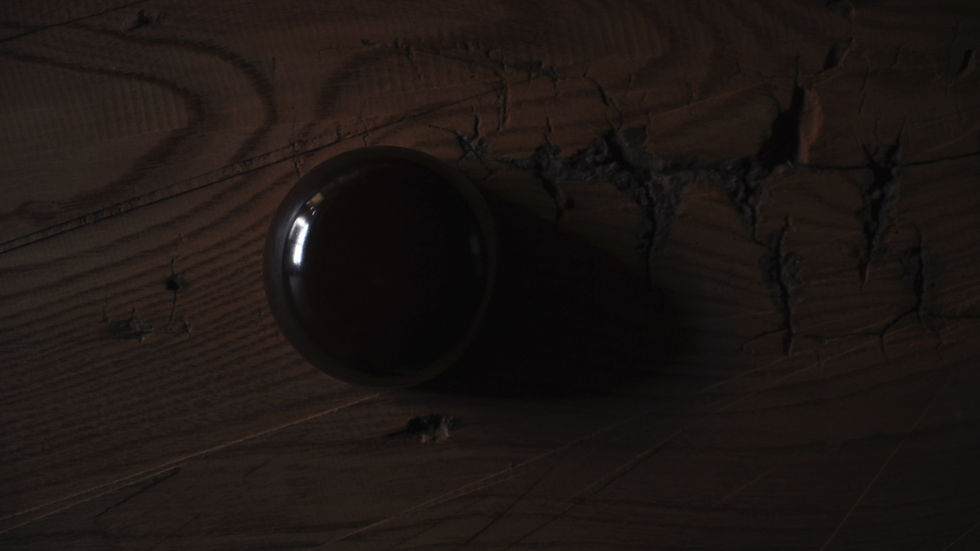
Without relying on chemical coatings, the surface is protected by natural ingredients and human hands. Kariyasu liquid, made by simmering wild-harvested kar iyasu grass. A plant long used as a yellow dye, it gently refines the orin’s surface expression—an
embodied power of Japan’s landscape. Ohaguro, made by aging old nails or iron filings in sake or vinegar, adds depth to the tone
and helps improve durability. The final finish—urushi—is sap drawn from trees. Used since ancient times as both coating and adhesive,it has helped protect materials from decay. Metal that creates sound, and grass and iron that create color. A tool that grows with time— where patina becomes beauty, and years become depth.

Ritual / NEZEN LIFE
Clear resonance and gentle sway open a “margin” within the mind
When you want to clear the atmosphere of a space, strike the wooden clapper, then sound the orin—slowly, four times.
After the first clear note, a wave-like sway appears— a hum that layers upon itself as the sound widens, slowly, quietly. As you simply listen into the afterglow, mental tension loosens, and the body softens. When the sound has fully disappeared, a sea-calm stillness arrives— and from that stillness, a generous margin of time is born.

